Official Author Page
Drew Heur
Drew writes about the patterns and systems that shape our financial lives.
His work is all about letting go of what does not work and building something stronger that stands up to real life. The approach is clear and practical because it is meant to be used every day. From how we design our systems to how we make tough financial choices, Drew believes one thing above all else. Results change when the structure behind them changes.
The Principle: Results change when the structure behind them changes.
His books look for the patterns that repeat and the parts that fail.
They help you strip away the noise and replace it with a system that holds firm when things get tough.
You have the tools now, and what you choose to do with them is what truly makes the difference.

Tariffs and You
The tariff may be aimed at another country. The cost may still find your wallet.
You will get a plain-English map of who pays first, who may pay later, why tariffs can protect one industry while hurting another, how retaliation works, why China changed the modern tariff debate, and how to judge tariff claims without being pulled into slogans.
View BookFeatured Video
Watch the latest video from Drew Heur.
Books
A body of work built around patterns, systems, and execution. Each book approaches results from a different angle—awareness, structure, refinement, and control.

Build an AI Chatbot on the PC You Already Own
This is not a theory book about artificial intelligence. It is a practical guide to building a private AI workspace you can actually use.
You do not need a data center, a new computer, or a machine-learning degree to start using private AI on your own machine. This book shows you how to build a local AI chat setup using the computer you already have, starting with a small model that proves the setup works before you waste money on upgrades.
View Book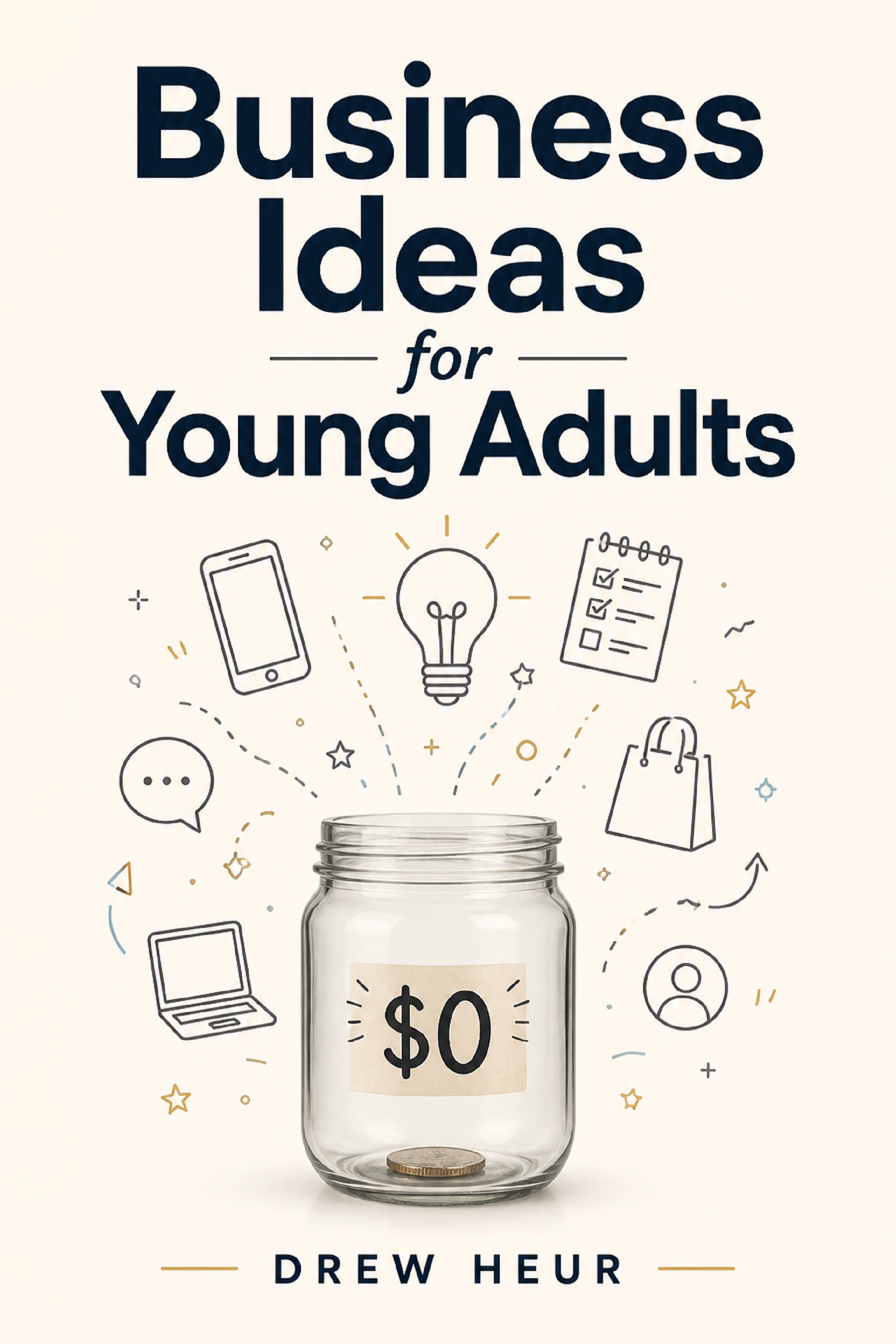
Business Ideas for Young Adults
The Step-by-Step Guide to Turn Your Creativity Into a Profitable Side Hustle Without Startup Money
Business Ideas for Young Adults is a practical, no-fluff guide for young adults who want to create income using what they already have. You may not have investors, a business degree, expensive tools, or a perfect plan. That does not mean you have nothing. You may already have skills, hobbies, creativity, local connections, unused possessions, free digital tools, and the ability to solve problems other people keep avoiding.
View Book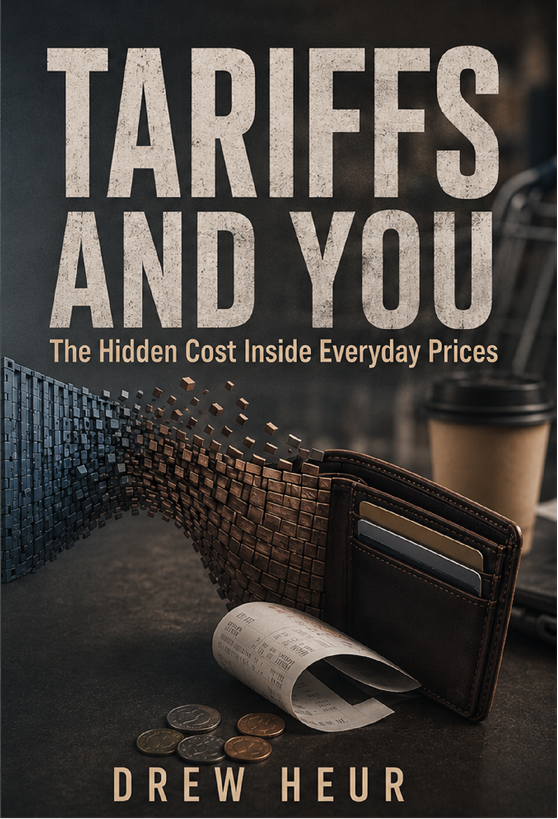
Tariffs and You
The tariff may be aimed at another country. The cost may still find your wallet.
You will get a plain-English map of who pays first, who may pay later, why tariffs can protect one industry while hurting another, how retaliation works, why China changed the modern tariff debate, and how to judge tariff claims without being pulled into slogans.
View Book
End Paycheck to Paycheck Living
How to Stop Bad Money Habits, Fix What Keeps Going Wrong, and Get Your Finances Back on Track
End Paycheck to Paycheck Living takes a different approach. Drew Heur shows you why most people do not stay broke because of one bad financial mistake. They stay stuck because of repeated habits, invisible spending leaks, and everyday money decisions that quietly drain their progress.
View Book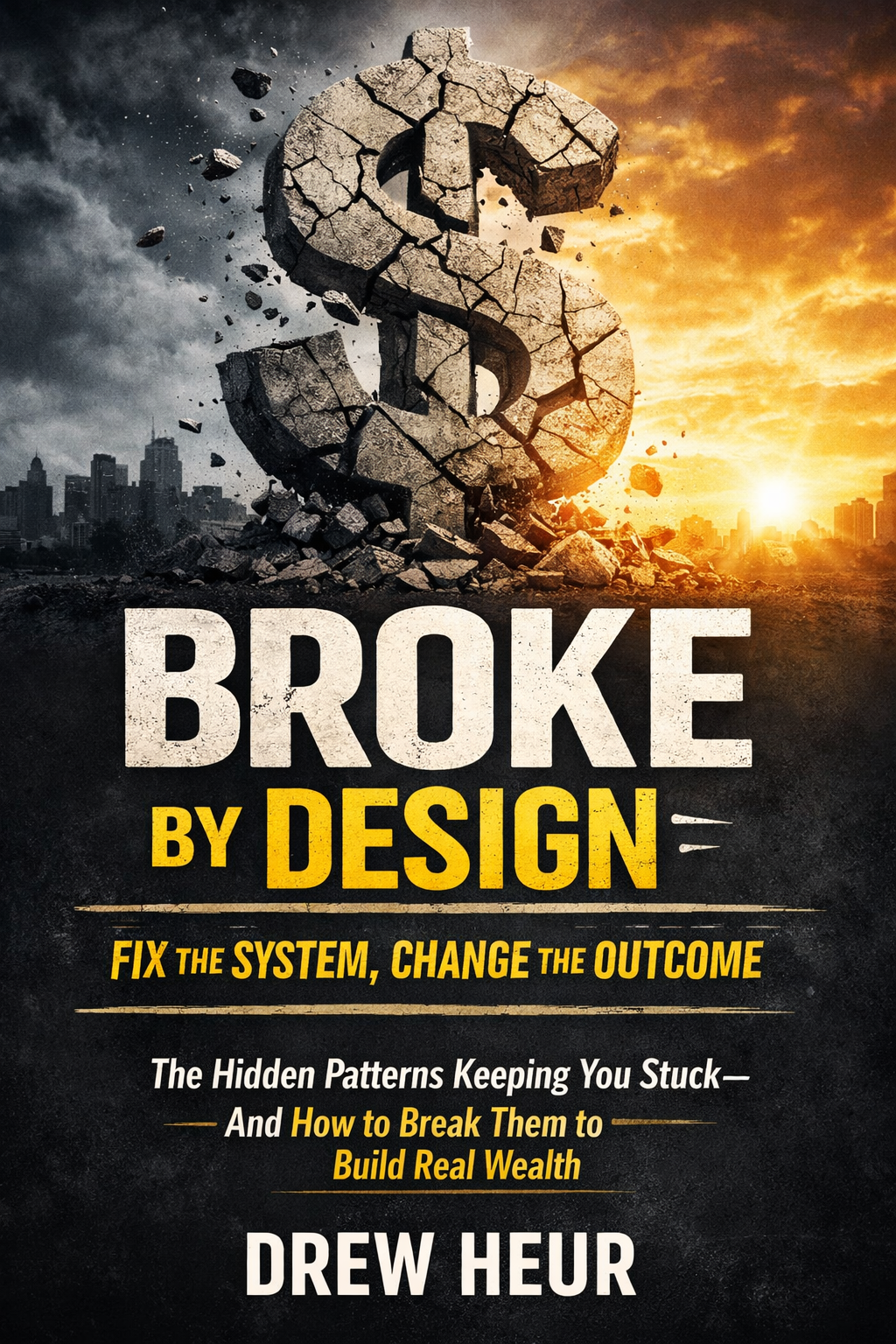
Broke by Design: Fix the System, Change the Outcome
The starting point.
Broke by Design reveals the hidden patterns keeping your financial results stuck—and how to break them.
Build structure.
Replace repetition.
Turn income into movement.
This is not a motivation book.
It’s a shift in how you operate.
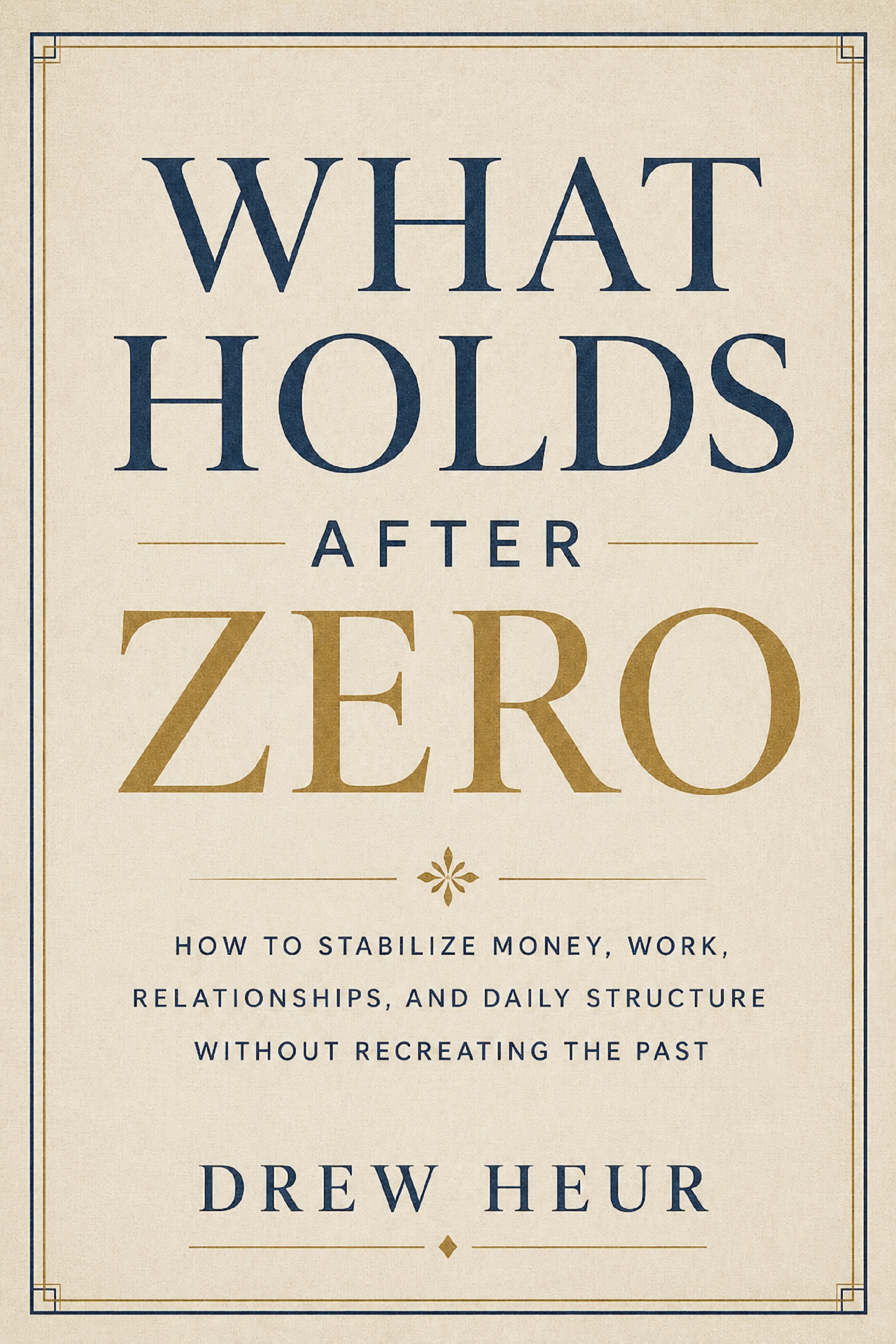
What Holds After Zero
HOW TO STABILIZE MONEY, WORK, RELATIONSHIPS, AND DAILY STRUCTURE WITHOUT RECREATING THE PAST
What Holds After Zero is a practical guide for stabilizing life before expanding again. It does not focus on motivation, reinvention, or the idea that a fresh start erases the past. Instead, it focuses on structure, defining what belongs before the next version of your life becomes harder to change. The goal is not to move fast, but to build something that holds under pressure.
View Book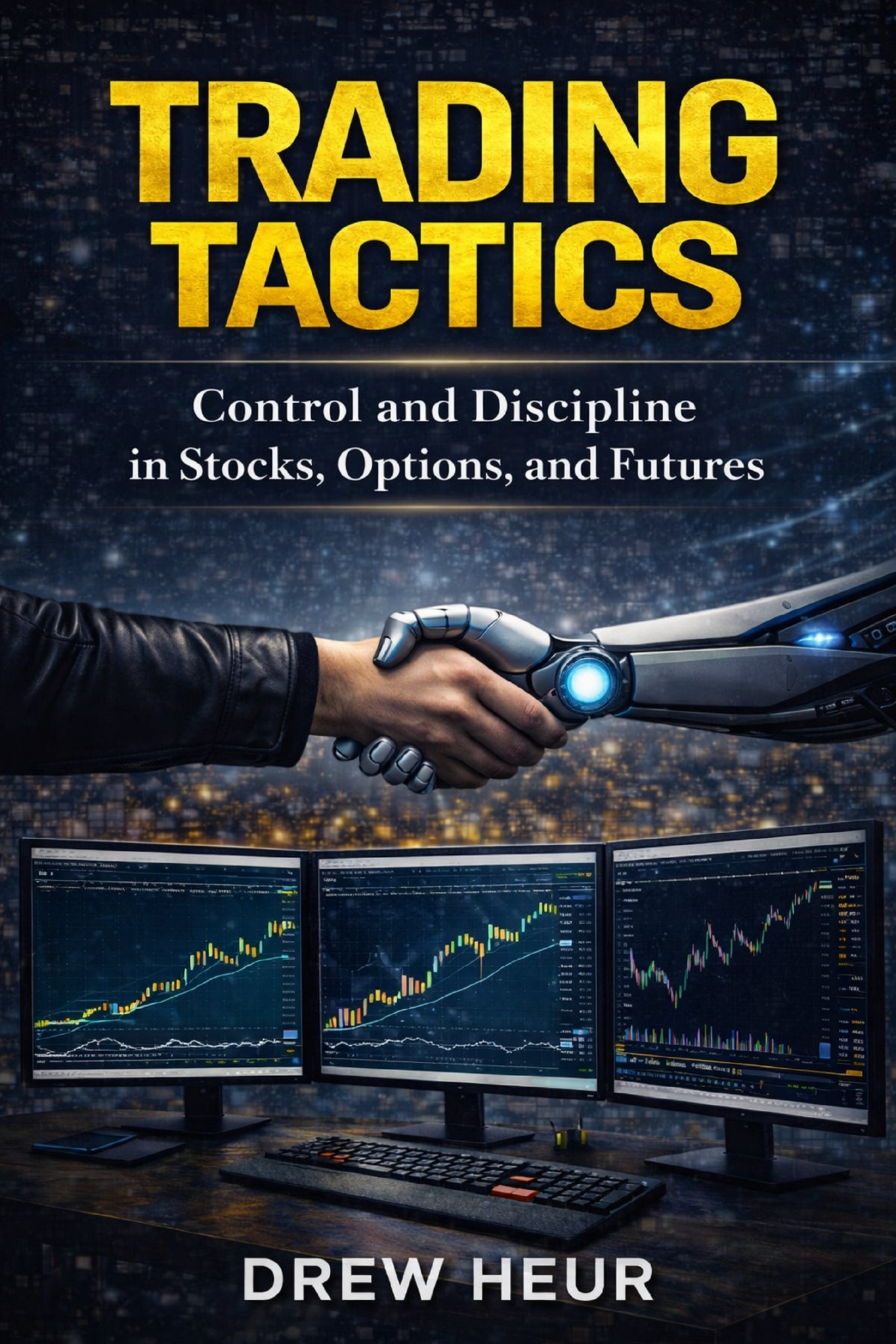
Trading Tactics
The control layer.
Trading Tactics brings the system into live application across stocks, options, and futures. It focuses on maintaining discipline under pressure.
This is not about adding strategies. It is about controlling behavior while executing them in real time conditions.
View Book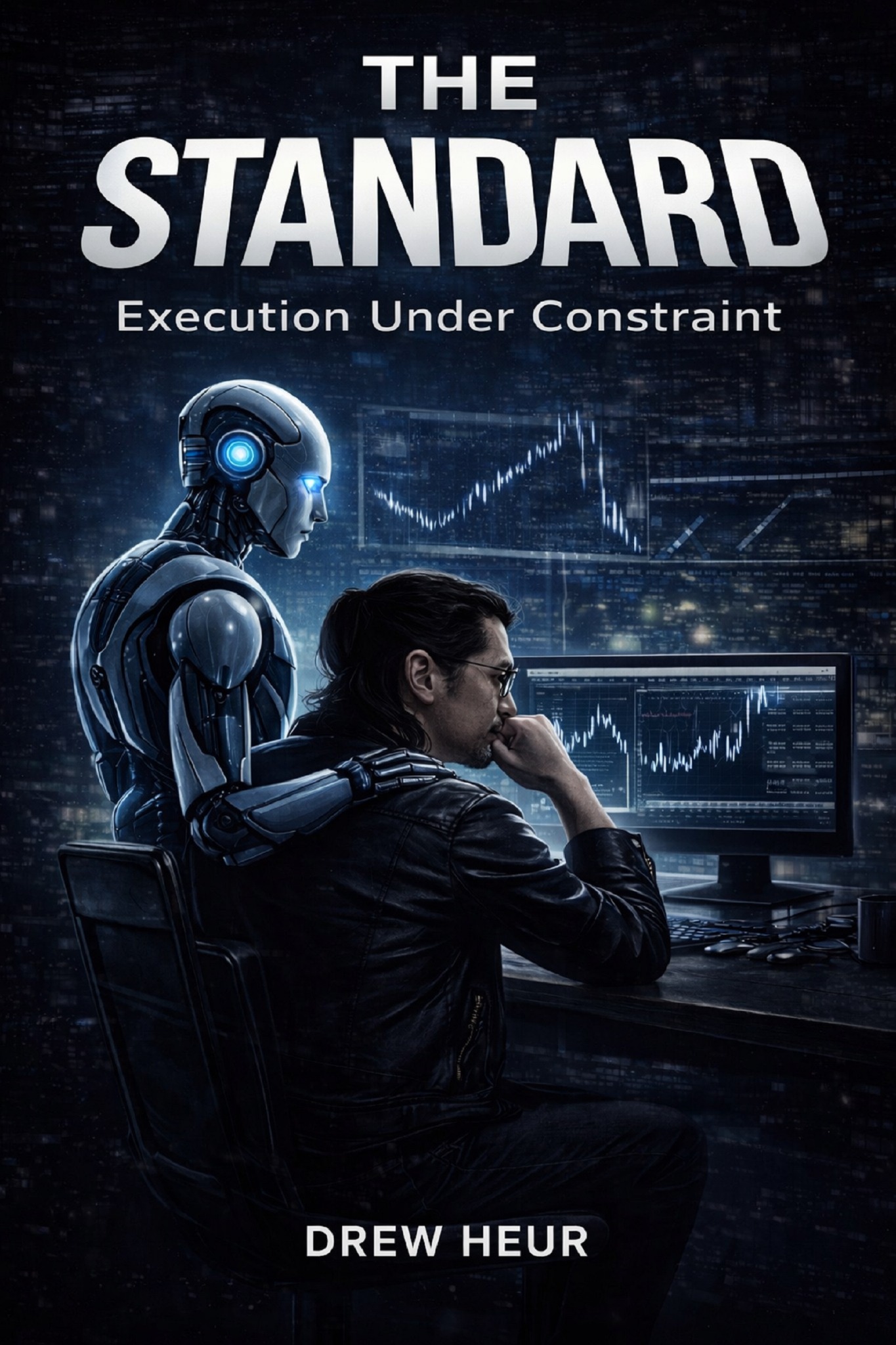
The Standard
The execution layer.
Once consistency is established, The Standard defines how the system behaves in real conditions. Every action is governed by predefined rules—not interpretation.
The focus shifts from “what to do” to “when you are allowed to act,” enforcing discipline through structure.
View Book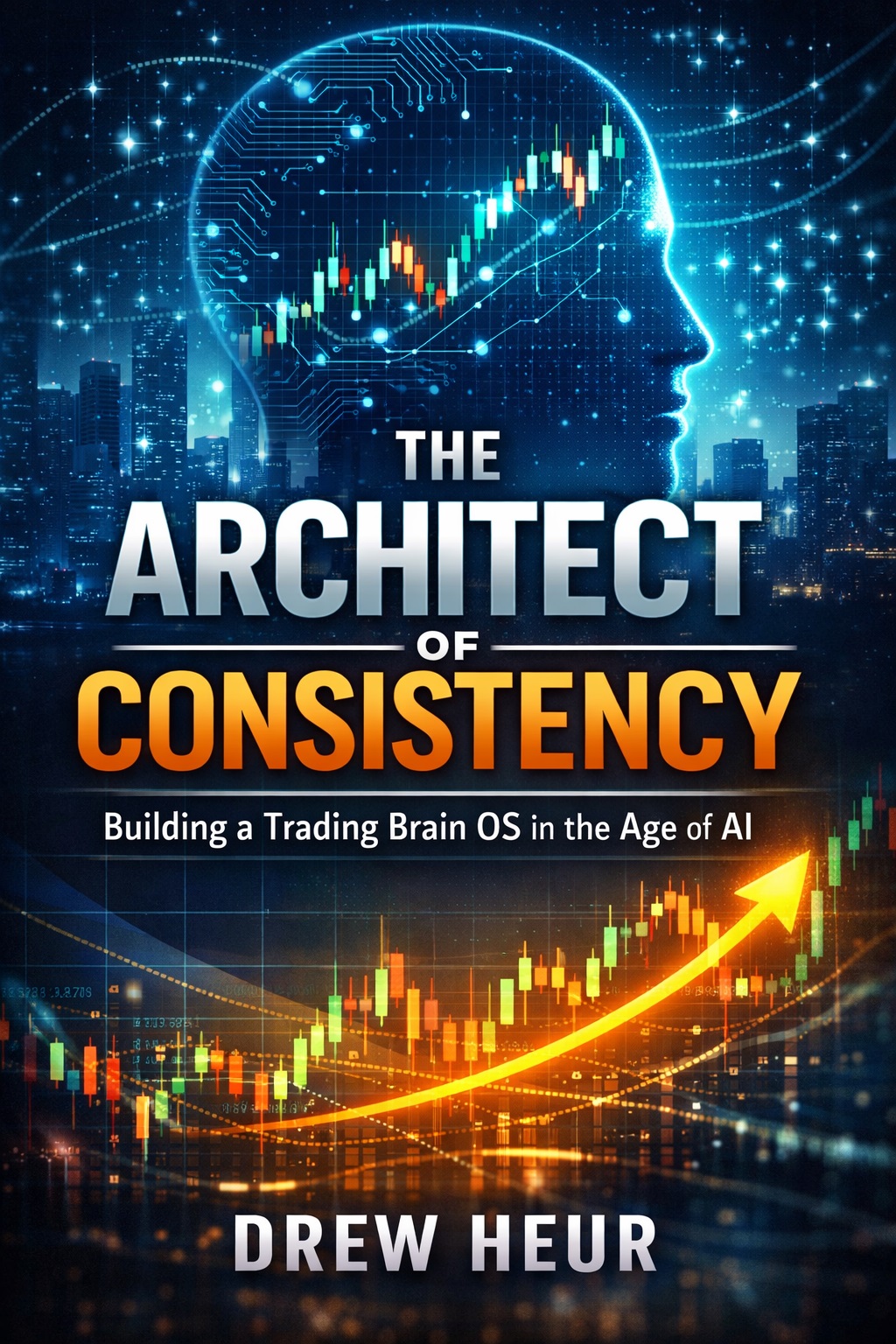
The Architect of Consistency
The foundation layer.
This book introduces trading as an operating system rather than a collection of strategies. It focuses on eliminating randomness in behavior, defining decision boundaries, and creating a repeatable framework.
Instead of chasing outcomes, the reader learns how to construct a system that produces consistency through controlled inputs.
View BookInside the workspace
A practical environment built around observation, structure, and execution.
The workspace reflects the same philosophy as the books: reduce noise, define clear inputs, and operate within a controlled system. Tools are not used for prediction—but for maintaining awareness within a defined framework.
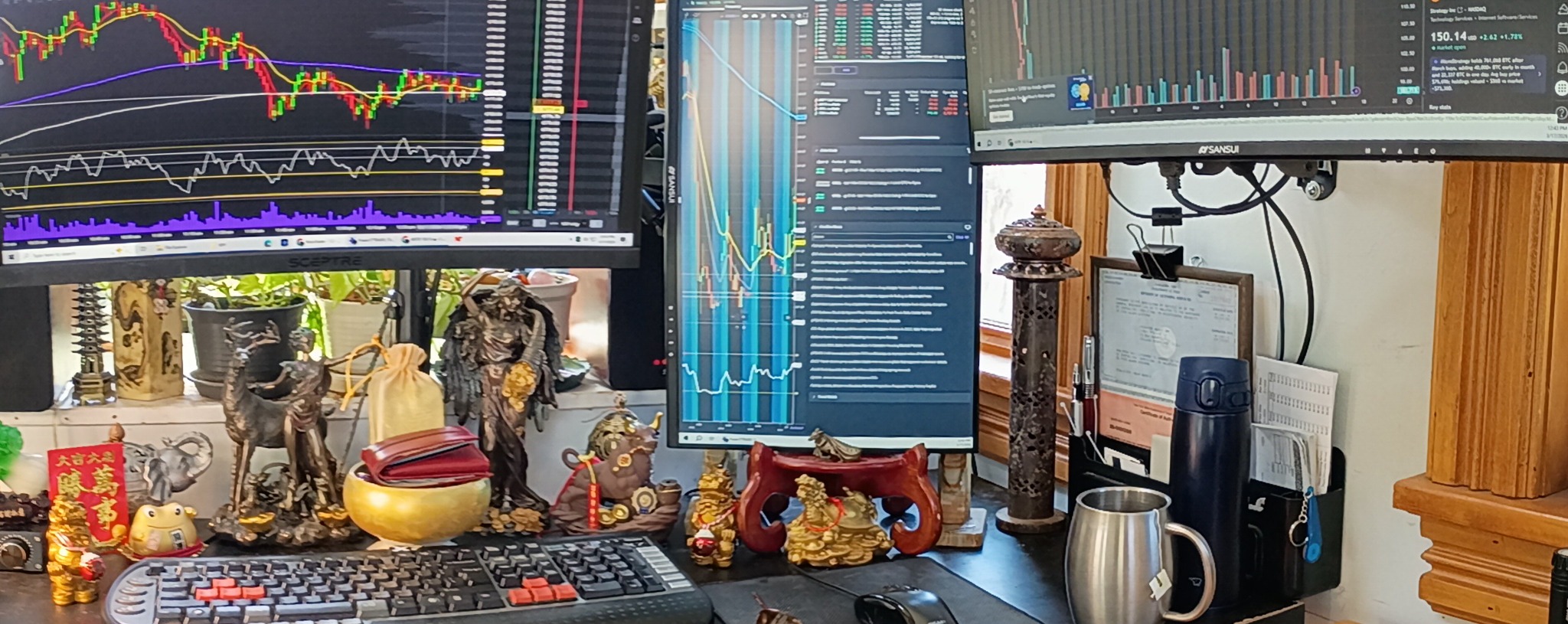
Drew Heur’s approach is rooted in systems thinking. Markets are treated as environments, not puzzles to solve.
Every action is filtered through structure:
– Where is price in relation to defined levels
– What conditions must be met before action is allowed
– How risk is controlled before, during, and after execution
The goal is not to react faster, but to operate within a system that removes the need for reaction altogether.